

Tiruchendur Subramaniya Swamy Temple
History of Tiruchendur Subramaniya Swamy Temple
Tiruchendur Subramaniya Swamy Temple is one of the six sacred abodes (Arupadai Veedu) of Lord Murugan.
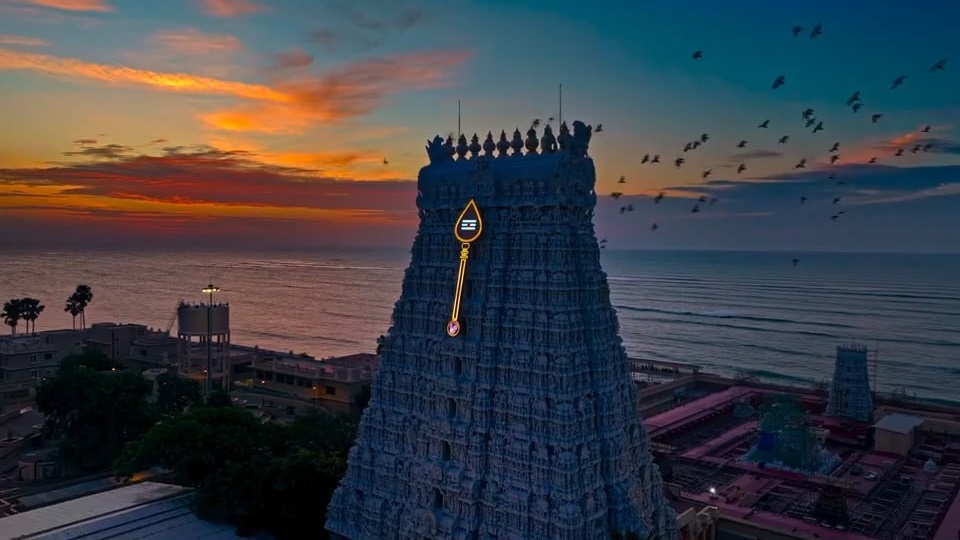
It is uniquely located on the shores of the Bay of Bengal in Thoothukudi District, Tamil Nadu, making it the only coastal temple among the six abodes. The temple stands as a symbol of victory, purity, and devotion — the very site where Lord Murugan defeated the demon Surapadman and established peace in the universe.
Mythological Background
According to legend, after destroying the demon Surapadman, Lord Murugan set up his camp (padai veedu) here on the seashore.
It is said that Lord Shiva Himself appeared before Murugan, and the divine son offered worship to his father — an act of humility and devotion rarely seen in mythology. This holy site thus became known as “Senthilandavan’s abode”, where Murugan is revered as Senthil Andavar or Subramaniya Swamy.
A miraculous event often retold in temple lore is the recovery of the main idol. In the 17th century, Dutch invaders looted the temple and took the idol away by ship. However, a great storm arose, sinking the ship, and the idol later washed ashore near Tiruchendur — seen as a divine intervention. The event is still celebrated annually.
Nazhikkinaru – The Sacred Spring
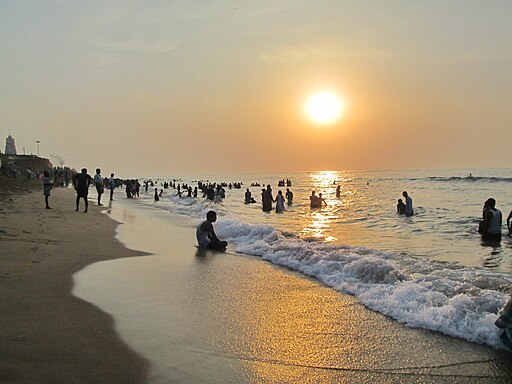
Near the seashore lies the Nazhikkinaru, a natural freshwater spring just a few meters from the salty sea. Despite its location, the water remains pure and sweet — believed to have been created by Lord Murugan’s Vel (spear). Devotees take a dip here before entering the temple for purification.
Major Festivals in Tiruchendur
The Temple Celebrates Several important Festivals Each Year:
Skanda Sashti (October–November) – The six-day festival reenacting the battle with Surapadman, ending with the grand Surasamharam.
Vaikasi Visakam (May–June) – Marks the divine birth of Lord Murugan.
Masi and Aavani festivals – Special sea processions (Theertha Thiruvizha) and rituals draw thousands of devotees.
Daily poojas at Temple
Morning

05:00 AM - 12:00 PM
Evening
4:00 PM - 8:00 PM
Palliyarai Puja

8:00 PM - 9:00 PM
Distances from Tiruchendur to Other Arupadai Murugan Temples
| From – To | Distanace(KM) | Travel Time |
|---|---|---|
| Tiruchendur – Thiruparankundram | 178 | 7 hrs 30 min |
| Tiruchendur – Palani | 294 | 6 hrs |
| Tiruchendur – Swamimalai | 400.5 | 7 hrs 30 min |
| Tiruchendur – Thiruthani | 628 | 11hr 9min |
| Tiruchendur – Pazhamudircholai | 230 | 5 hrs |
Google Map
FAQ
Which day is good to visit Tiruchendur Murugan Temple?
The temple can be visited any day, but Tuesdays and Fridays are considered especially auspicious for Lord Murugan. Festivals like Skanda Sashti, Vaikasi Visakam, and Panguni Uthiram attract large crowds, and visiting on these days is believed to bring special blessings and spiritual merit. Early morning visits are recommended for a peaceful darshan.
What is the significance of Tiruchendur Temple?
It is the second Arupadai Veedu (six sacred abodes) of Lord Murugan, where He defeated the demon Surapadman.
What are the temple opening and closing timings?
The temple is open daily from 5:00 AM to 9:00 PM, with poojas conducted at regular intervals.
Which festival is celebrated grandly at Tiruchendur?
The Skanda Sashti Festival, celebrated for six days, marks Lord Murugan’s victory over evil and draws thousands of devotees.
How can I reach Tiruchendur Murugan Temple?
The temple is well-connected by road, rail, and air — the nearest railway station is Tiruchendur, and the nearest airport is Tuticorin (Thoothukudi).
Is accommodation available near the temple?
Yes, the temple administration and private lodges provide comfortable accommodations for pilgrims.
What are the daily pooja timings at Tiruchendur Temple?
Main poojas include Kala Santhi (8:00 AM), Uchikala (12:00 PM), and Sayaraksha (5:00 PM), among others.
Are there any special sevas or abhishekams for devotees?
Yes, devotees can book special abhishekams, archanai, and offerings at the temple counters or online during major festivals.
Is photography allowed inside the temple premises?
Photography is not allowed inside the sanctum, but you may take photos outside the temple complex and beach area.
What are the nearby attractions to visit around Tiruchendur?
Popular spots include Tiruchendur Beach, Kulasai Mutharamman Temple, and Tuticorin port town.