
Introduction
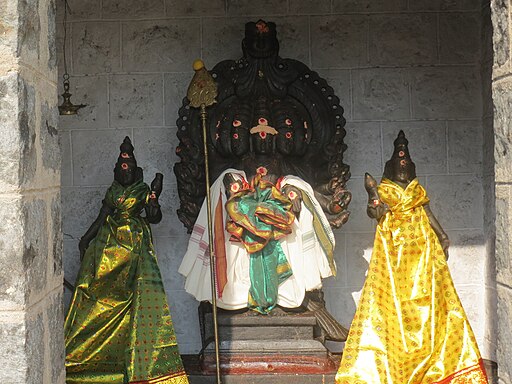
Lord Murugan, also known as Kartikeya, Skanda, or Subramanya, is one of the most worshipped deities in Tamil Nadu. Among the thousands of temples dedicated to Him, six stand out as the Arupadai Veedu (அறுபடை வீடு) – the divine “Six Battle Camps” of victory and blessings.
Each of these six abodes of Lord Murugan has its own legend, architecture, and spiritual power. Devotees believe visiting all six brings peace, prosperity, and divine grace.
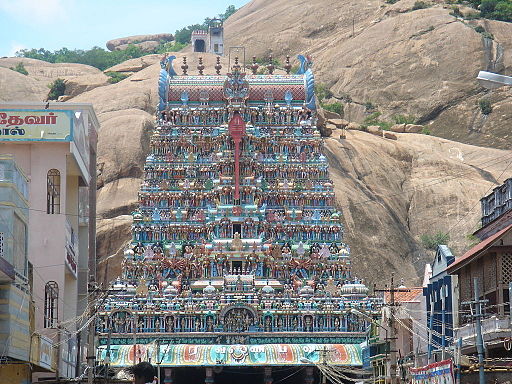
1. Thiruparankundram Murugan Temple – The Temple of Divine Marriage
Located near Madurai, the Thiruparankundram Murugan Temple is where Lord Murugan married Goddess Deivanai, daughter of Lord Indra. The temple is carved inside a hill and showcases Tamil rock-cut architecture from the Sangam period.
- Unique cave sanctum featuring Murugan and Deivanai.
- Major festivals: Thaipusam and Kanda Sashti.
- Location: 8 km from Madurai city.
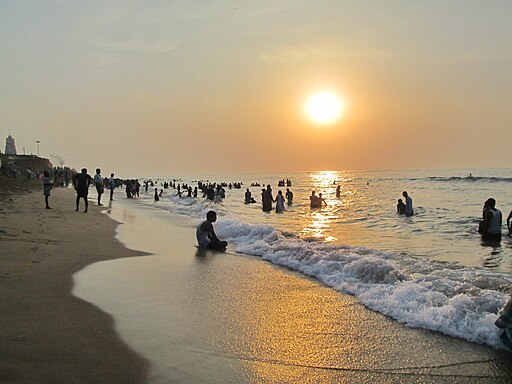
2. Tiruchendur Murugan Temple – The Seashore Shrine of Victory
The Tiruchendur Murugan Temple faces the Bay of Bengal and marks the spot where Murugan defeated the demon Surapadman. It is the only seaside Murugan temple among the Arupadai Veedu.
- Rituals use sacred sea water (Theertham).
- Famous for the Surasamharam Festival.
- Location: Tuticorin District, Tamil Nadu.
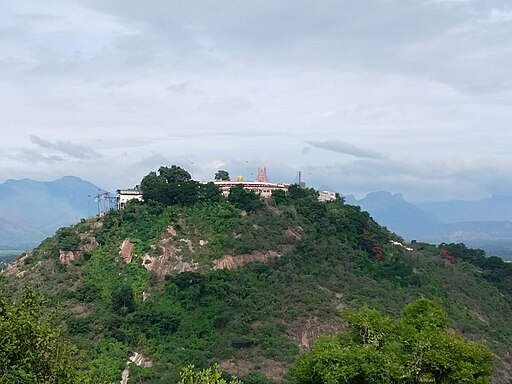
3. Palani Murugan Temple – The Hill of Renunciation
At Palani, Lord Murugan appears as Dandayudhapani Swamy, a saintly ascetic who renounced worldly pleasures. The temple symbolizes wisdom through the saying “Pazham Nee Appa” – meaning “You are the fruit.”
- Features rope car and winch for devotees.
- World-famous Panchamirtham prasadam.
- Grand Thaipusam and Panguni Uthiram celebrations.
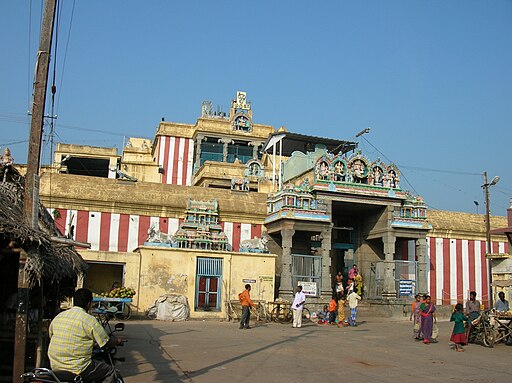
4. Swamimalai Murugan Temple – The Temple of Divine Knowledge
Near Kumbakonam, Lord Murugan taught His father Lord Shiva the meaning of the Pranava Mantra (Om), earning the title Swaminatha Swamy.
- Small hill with 60 symbolic steps.
- Dravidian-style temple architecture.
- Daily abhishekam and Thursday poojas draw large crowds.
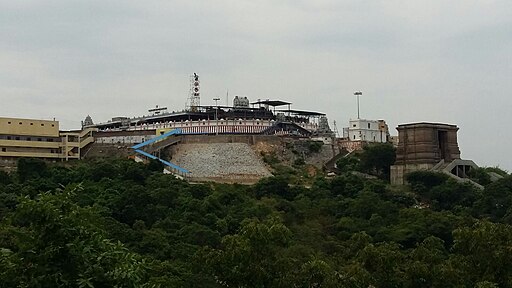
5. Thiruthani Murugan Temple – The Hill of Peace and Forgiveness
After His victory over evil, Lord Murugan rested here to attain peace, symbolizing forgiveness. The temple sits atop 365 steps representing each day of the year.
- Represents calmness and detachment.
- Major festivals: Aadi Krithigai and Kanda Sashti.
- Location: Near Tiruvallur, Tamil Nadu.
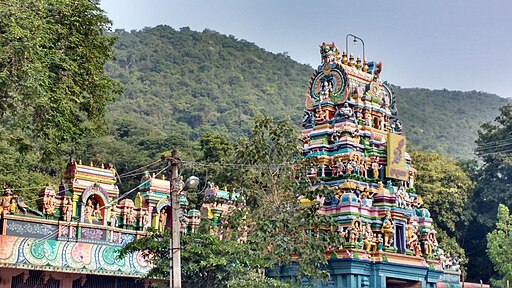
6. Pazhamudircholai Murugan Temple – The Forest Abode of Beauty
Set amid lush greenery near Madurai, this temple depicts Murugan with His consorts Valli and Deivanai. Surrounded by waterfalls and fruit trees, it’s mentioned in ancient Tamil Sangam literature.
- Natural spring: Noopura Gangai.
- Peaceful setting ideal for meditation.
- Location: 25 km from Madurai.
Significance of the Arupadai Veedu Pilgrimage
Each temple represents a divine phase of Lord Murugan’s life — from warrior to teacher. Completing the Arupadai Veedu pilgrimage is believed to bless devotees with courage, wisdom, and spiritual growth.
Pilgrimage Tips for Devotees
- Ideal travel months: November to April.
- Begin at Thiruparankundram and end at Pazhamudircholai.
- Carry offerings like Vel flowers and vibhooti.
- Follow temple dress codes and timings.
Conclusion
The Six Abodes of Lord Murugan represent the journey from victory to peace, devotion to wisdom. A pilgrimage across these six Murugan temples in Tamil Nadu fills every devotee’s heart with divine grace. Chant “Vel Muruga!” and begin your spiritual journey today.