
Arupadai Veedu – The Six Sacred Abodes of Lord Murugan
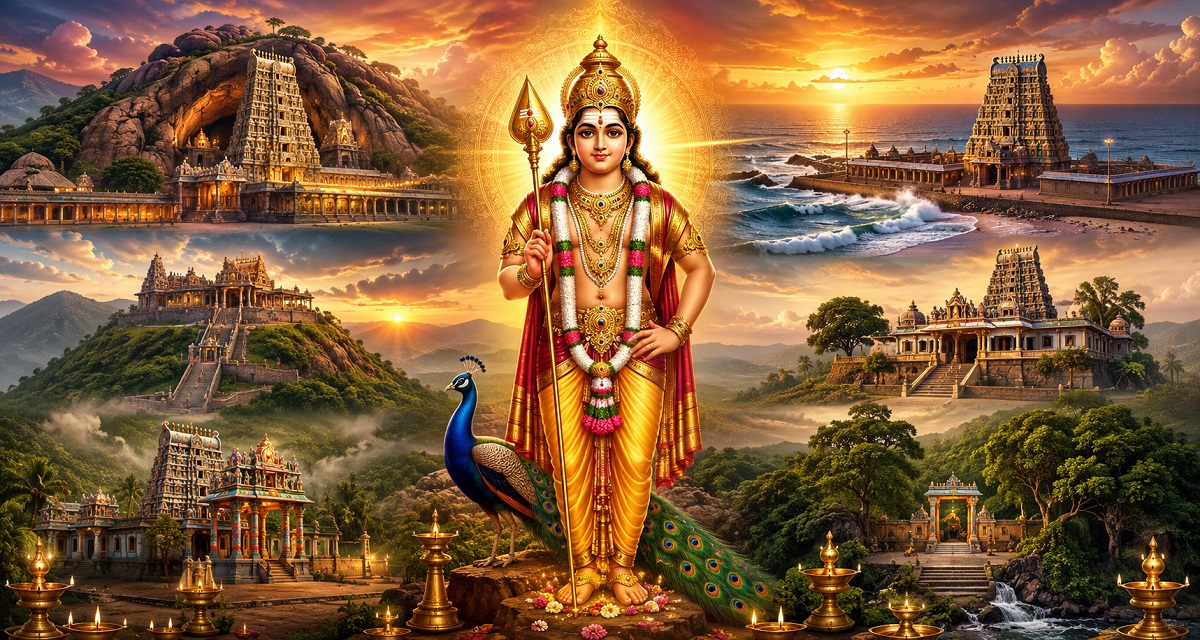
Discover the Divine Journey of Lord Murugan Through the Six Sacred Temples
Arupadai Veedu (அறுபடை வீடு) refers to the six holy abodes of Lord Murugan, one of the most revered deities in Hinduism and Tamil culture. These sacred temples, located across Tamil Nadu, represent important events in Lord Murugan’s divine life and hold immense spiritual significance for millions of devotees worldwide.
Mentioned in the ancient Tamil Sangam literature, particularly the Tirumurugatruppadai written by the poet Nakkirar, the Arupadai Veedu temples have been places of worship and pilgrimage for centuries. Devotees visit these temples seeking blessings for prosperity, wisdom, courage, peace, and spiritual growth.
Whether you are a devotee, a spiritual seeker, or someone interested in Tamil heritage, the Arupadai Veedu pilgrimage offers a unique opportunity to experience the rich traditions and timeless devotion associated with Lord Murugan.
What is Arupadai Veedu?
The term “Arupadai Veedu” translates to “Six Sacred Abodes.” In Tamil:
Aru means Six,
Padai means Army or Battle Camp
Veedu means Home or Abode
Together, Arupadai Veedu signifies the six divine places associated with Lord Murugan’s victories, teachings, and spiritual journey. These temples are considered among the most important pilgrimage destinations in India and are deeply connected to Tamil history and culture.
The Six Sacred Arupadai Veedu Temples
Thiruparankundram Murugan Temple
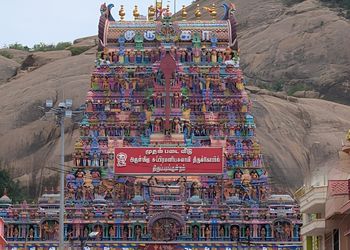
Located near Madurai, Thiruparankundram is regarded as the first Arupadai Veedu. It is believed that Lord Murugan married Deivanai at this sacred site after defeating the demon Surapadman. The temple is known for its ancient rock-cut architecture and historical significance.
Tiruchendur Murugan Temple
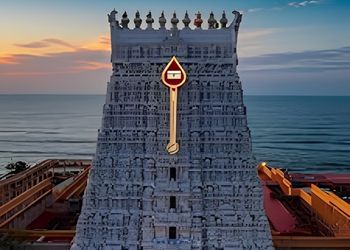
Situated on the shores of the Bay of Bengal, Tiruchendur is the second Arupadai Veedu and commemorates Lord Murugan’s victory over evil. It is the only seaside Murugan temple among the six and attracts millions of devotees during the Skanda Sashti festival.
Palani Murugan Temple
Palani is one of the most famous Murugan temples in India. Here, Lord Murugan is worshipped as Dhandayuthapani Swamy. The temple is especially renowned for its Panchamirtham prasadam and symbolizes wisdom, sacrifice, and spiritual enlightenment.
Swamimalai Murugan Temple
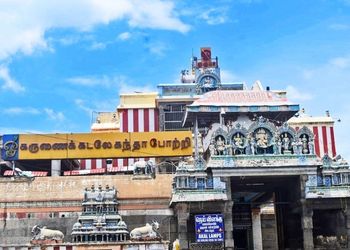
Swamimalai is where Lord Murugan is believed to have taught the meaning of the sacred Pranava mantra “Om” to Lord Shiva. This temple represents divine knowledge and is admired for its beautiful architecture and spiritual importance.
Thiruthani Murugan Temple
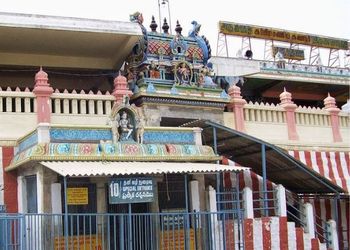
After defeating evil forces, Lord Murugan attained peace at Thiruthani. This hill temple symbolizes serenity and inner harmony and is visited by devotees seeking peace and blessings.
Pazhamudircholai Murugan Temple
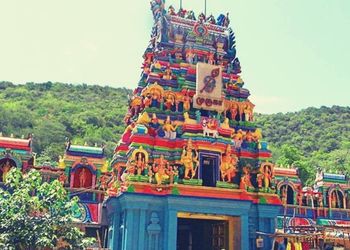
Nestled amidst lush greenery near Madurai, Pazhamudircholai is associated with the Tamil poet Avvaiyar and signifies wisdom and compassion. The temple’s natural surroundings provide a serene and spiritually uplifting atmosphere.
Spiritual Significance of Arupadai Veedu
Each of the six temples represents a different aspect of Lord Murugan’s divine mission and teachings. Together, they symbolize:
- Courage and victory over obstacles.
- Knowledge and wisdom.
- Peace and inner transformation.
- Love, compassion, and devotion.
- Spiritual growth and enlightenment.
Devotees believe that completing the Arupadai Veedu pilgrimage brings prosperity, happiness, and divine blessings into their lives.
History and Heritage of Arupadai Veedu
The concept of Arupadai Veedu has its roots in Tamil Sangam literature dating back more than two thousand years. The sacred temples have been patronized by various dynasties, including the Cholas, Pandyas, and Nayaks, who contributed to their architectural grandeur and cultural significance.
These temples continue to preserve the spiritual and artistic heritage of Tamil Nadu and stand as symbols of faith and devotion.
Major Festivals Celebrated
Several important festivals are celebrated with great devotion at the Arupadai Veedu temples, including:
During these occasions, thousands of devotees participate in special prayers, processions, and traditional rituals.
Best Time to Visit Arupadai Veedu
The ideal time to undertake the Arupadai Veedu pilgrimage is from November to April when the climate is pleasant across Tamil Nadu. Festival seasons also offer an opportunity to witness the vibrant spiritual atmosphere and cultural traditions associated with Lord Murugan worship.
Why Visit Arupadai Veedu?
Arupadai Veedu is more than a collection of temples. It is a spiritual journey that reflects the values of courage, wisdom, devotion, and compassion. These sacred shrines have inspired generations of devotees and continue to attract pilgrims from around the world.
Whether you seek divine blessings, wish to explore Tamil culture, or desire a peaceful spiritual experience, the six sacred abodes of Lord Murugan offer an unforgettable journey of faith and self-discovery.
Frequently Asked Questions
What are the six Arupadai Veedu temples?
Thiruparankundram, Tiruchendur, Palani, Swamimalai, Thiruthani, and Pazhamudircholai.
What does Arupadai Veedu mean?
Arupadai Veedu means the six sacred abodes of Lord Murugan.
Which is the first Arupadai Veedu?
Thiruparankundram Murugan Temple is considered the first Arupadai Veedu.
Which Arupadai Veedu is near the sea?
Tiruchendur Murugan Temple is the only Arupadai Veedu located on the seashore.
Which Arupadai Veedu is famous for Panchamirtham?
Palani Murugan Temple is world-famous for its Panchamirtham prasadam.
How many days are required to visit all six temples?
Typically, 3 to 5 days are sufficient to complete the Arupadai Veedu pilgrimage.
Which month is best to visit Arupadai Veedu?
November to April is considered the best period due to pleasant weather and major festival celebrations.