

Palani Murugan Temple
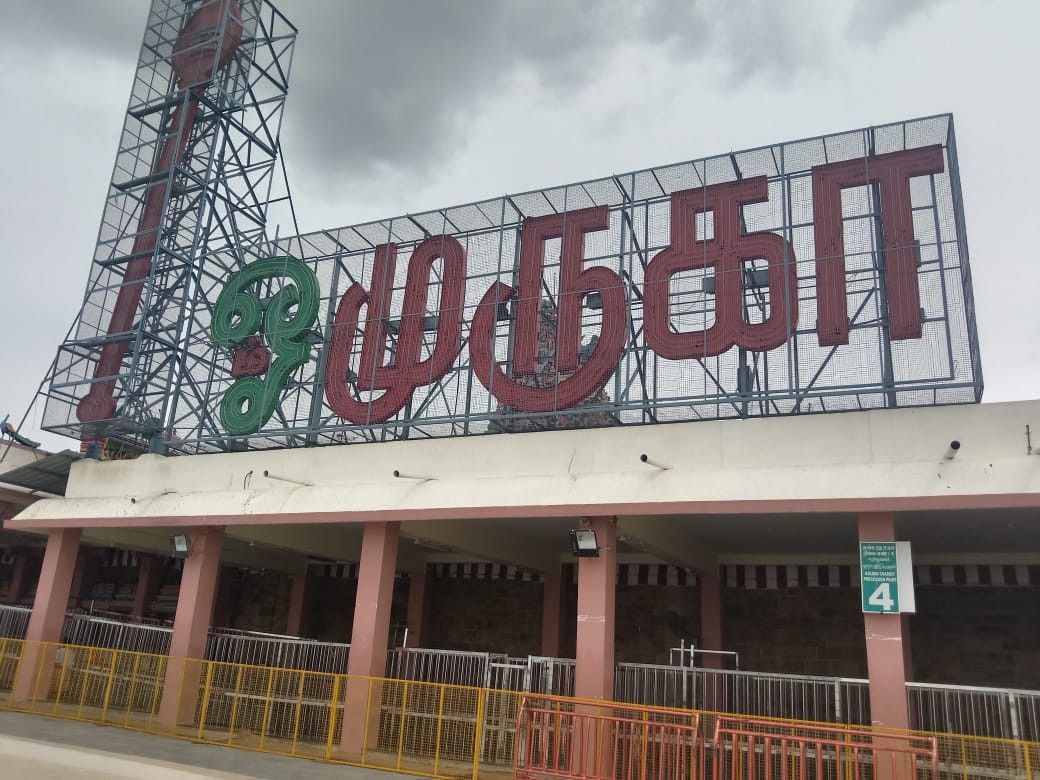
History of Palani Murugan Temple
The Palani temple’s origins trace back to the ancient Tamil Sangam period. According to legend, Sage Narada once presented a divine fruit, the “Gnyana Pazham” (Fruit of Wisdom), to Lord Shiva, promising it to whichever of his sons -Ganesha or Murugan -reached around the world first. While Murugan set off on his peacock to circle the earth, Ganesha simply walked around his parents, declaring they were his world.
When Shiva awarded the fruit to Ganesha, Murugan, feeling misunderstood, renounced everything and came to Palani Hill. Lord Shiva and Parvati followed and consoled him, saying,
“Palam Ni” – You are the fruit yourself.
Thus the place became known as Palani (Palam Ni).
The temple is believed to have been originally built by the Chera dynasty, later expanded by the Pandyas and Nayakas, showcasing magnificent Dravidian architecture.
Mythological Background
Lord Murugan here is known as Dhandayuthapani Swamy, meaning “The Lord with the Staff in His Hand.”
His idol is made of a rare amalgam called Navapashanam (nine herbal minerals) crafted by sage Bogar, which is believed to have healing powers.
Palani represents Renunciation (Vairagyam) — the spiritual maturity of Murugan after realizing the essence of divine knowledge.
Architecture and Features
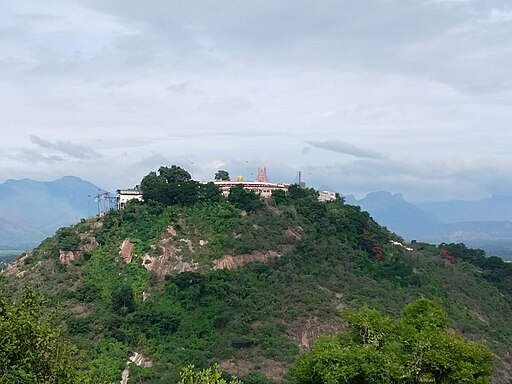
Hill Temple: Built on a 150-meter-high hill accessible by steps, winch, or rope car.
Main Deity: Lord Dhandayuthapani Swamy, standing in a meditative posture with his staff.
Gopuram: A seven-tiered tower richly decorated with intricate sculptures.
Golden Chariot: Used during special festivals and processions.
Navapashana Idol: The unique deity made by sage Bogar, believed to release divine energy during abhishekam.
Festivals at Swamimalai Murugan Temple
Thaipoosam (January–February): The grandest festival at Palani, where lakhs of devotees carry Kavadis to the hill.
Panguni Uthiram (March–April): Celebrates the divine marriage of Murugan with Deivanai.
Vaikasi Visakam (May–June): Murugan’s birthday.
Skanda Sashti (October–November): Reenacts the victory over the demon Surapadman.
Throughout the year, special Abhishekams, Archanais, and Girivalam (circumambulation of the hill) are performed by devotees.
Daily poojas at Temple
Morning
05:30 AM - 12:30 PM
Evening
4:00 PM - 8:00 PM
Palliyarai Puja
8:00 PM - 9:00 PM
Distances from Tiruchendur to Other Arupadai Murugan Temples
| From – To | Distance (KM) | Travel Time |
|---|---|---|
| Palani – Thiruparankundram | 120 | 3 hrs |
| Palani – Swamimalai | 270 | 5 hrs 30 min |
| Palani – Tiruchendur | 294 | 6 hrs |
| Palani – Thiruthani | 390 | 8 hrs |
| Palani – Pazhamudircholai | 150 | 4 hrs |
Notes:
Distances are approximate road distances; travel times may vary with route, service type, and traffic conditions.
Google Map
FAQ
Which day is best to visit Palani Murugan Temple?
Tuesdays and Fridays are auspicious. Thaipoosam and Vaikasi Visakam attract thousands of devotees, offering powerful spiritual experiences.
What is special about Palani Temple?
The main deity is made of Navapashanam, a mystical combination of nine herbal minerals by sage Bogar, believed to have healing properties.
What are the temple timings?
Morning 5:30 AM – 12:30 PM, Evening 4:00 PM – 8:00 PM, Palliyarai Puja 8:00 PM – 9:00 PM.
Are there special sevas or abhishekams?
Yes, devotees can perform Golden Chariot, Vel Abhishekam, Milk Abhishekam, and Girivalam around the hill.
How to reach the temple top?
Devotees can climb the 693 steps, or use the winch or rope car facilities available daily.
Is accommodation available near the temple?
Yes, Devasthanam lodges and private hotels are available near the temple base.
Is photography allowed inside?
Photography is not permitted inside the sanctum but allowed in designated outer areas.