

Thiruthani Murugan Temple

History of Thiruthani Murugan Temple
The Thiruthani Temple is one of the oldest Murugan shrines, mentioned in ancient Tamil texts like Thirupugazh and Skantha Purana. According to legend, after the great battle at Tiruchendur, Lord Murugan sought solitude and peace here on this hill. This act of calm and introspection after victory signifies inner peace following triumph -a core spiritual message of Thiruthani.
The temple’s name, “Thiruthani,” derives from Thiru (sacred) and Thani (hill), signifying “the sacred hill.” It is said that the temple was originally built by the Pallava dynasty, later renovated by Chola and Pandya kings, and further enhanced during Vijayanagara rule.
Mythological Background
Lord Murugan married Valli, one of his divine consorts, at Thiruthani.
The temple is believed to grant peace, balance, and harmony to devotees.
Worship here helps one overcome anger, ego, and past struggles — representing Murugan’s victory over inner demons.
The five hills around Thiruthani represent the five faces of Lord Shiva, giving the region immense spiritual energy.
Devotees believe that praying here grants wisdom, clarity, and success in knowledge-based endeavors. Swamimalai is also associated with many miracles, attracting thousands of devotees annually.
Architecture and Features
Main Deity: Lord Subramanya Swamy, in a standing posture, holding his Vel (spear).
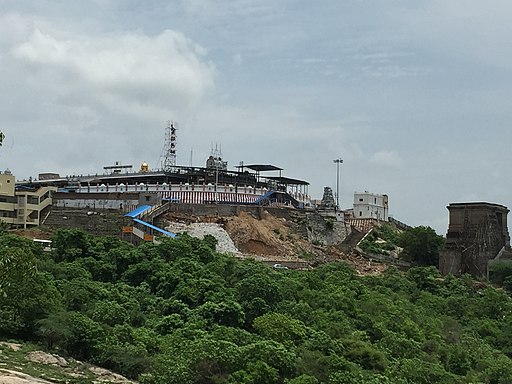
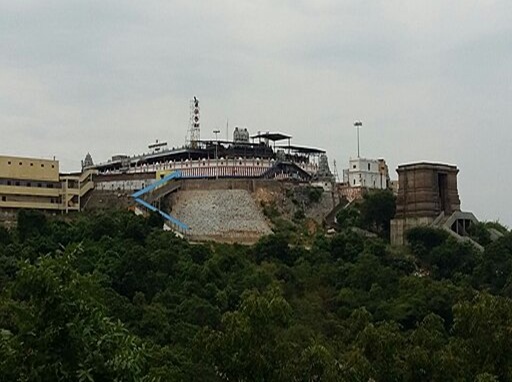
Temple Structure: Built on a 700-ft hill with 365 stone steps — one for each day of the year.
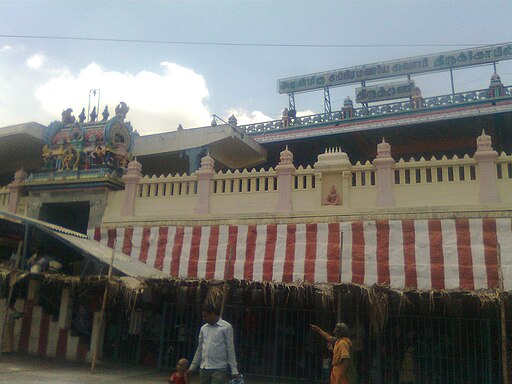
Gopuram: A majestic 5-tier tower with intricate sculptures.
Sacred Tanks: The temple has holy water sources like the Saravana Poigai.
Panoramic View: The hilltop offers breathtaking views of the surrounding countryside.
Festivals at Swamimalai Murugan Temple
Aadi Krithigai (July–August): Celebrated grandly with hill processions and special abhishekams.
Skanda Sashti (October–November): Commemorates the victory of Lord Murugan over Surapadman.
Vaikasi Visakam (May–June): Celebrates the divine birth of Lord Murugan.
Panguni Uthiram: Marks Murugan’s celestial marriage with Valli and Deivanai.
During these festivals, thousands of devotees climb the steps chanting “Muruga, Muruga,” creating a divine and powerful atmosphere.
Daily poojas at Temple
Morning
05:30 AM - 12:00 PM
Evening
4:00 PM - 8:00 PM
Palliyarai Puja
8:00 PM - 9:00 PM
Distances from Tiruchendur to Other Arupadai Murugan Temples
| From – To | Distance (KM) | Travel Time |
|---|---|---|
| Thiruthani – Thiruparankundram | 460 | 9 hrs |
| Thiruthani – Palani | 390 | 8 hrs |
| Thiruthani – Swamimalai | 588 | 10 hrs 30 min |
| Thiruthani – Tiruchendur | 628 | 11 hrs 9 min |
| Thiruthani – Pazhamudircholai | 460 | 9 hrs |
Google Map
FAQ
How can I reach Thiruthani?
It’s located 85 km from Chennai and 65 km from Tirupati, accessible by road and train.
Which day is good to visit Thiruthani Murugan Temple?
Tuesdays, Fridays, and festival days like Aadi Krithigai and Skanda Sashti are considered very auspicious. Early morning visits offer a peaceful darshan.
What is the significance of Thiruthani Temple?
It is where Lord Murugan found peace after the war with Surapadman. The temple represents calmness, forgiveness, and divine balance.
What are the temple timings?
Morning 5:30 AM – 12:00 PM, Evening 4:00 PM – 8:00 PM, Palliyarai Puja 8:00 PM – 9:00 PM.
Are there any special poojas?
Yes, devotees can perform Abhishekam, Archana, and special Girivalam rituals around the hill for blessings.
Is accommodation available nearby?
Yes, temple guest houses and hotels are available at the base and in the nearby town.
Is photography allowed inside?
Photography is not allowed inside the sanctum but is permitted outside the main structure.