
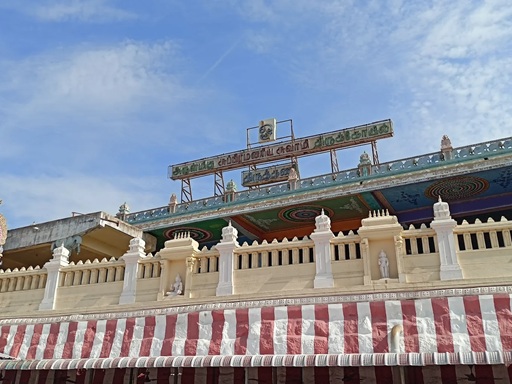
Arupadai Veedu (Tamil: ஆறு படை வீடு) means “Six Battle Camps” or “Six Sacred Abodes of Lord Murugan.”
These six temples, located across Tamil Nadu, are among the most powerful and spiritually significant Murugan temples in India.
They represent the divine journey of Lord Murugan — the God of Wisdom, Courage, and Victory.
What Is Arupadai Veedu?
The term Arupadai Veedu comes from Tamil literature — “Aru” (six), “Padai” (battle), and “Veedu” (abode). According to ancient Tamil scriptures like Thirumurugatruppadai and Thiruppugazh, these six temples were the centers of Lord Murugan’s divine missions — each symbolizing a victory over evil and a lesson in spiritual growth.The Six Famous Arupadai Veedu Temples
- Thiruparankundram Murugan Temple (Madurai) Symbolizes divine marriage — where Lord Murugan weds Deivayanai after defeating the demon Surapadman. One of the oldest rock-cut temples in Tamil Nadu.
- Tiruchendur Murugan Temple (Thoothukudi) The only Arupadai Veedu located by the sea. Marks Murugan’s victory over Surapadman and is famous for the Skanda Sashti festival.
- Palani Murugan Temple (Dindigul) Represents renunciation and wisdom. Here Murugan stands as Dandayudhapani Swami, teaching the power of detachment.
- Swamimalai Murugan Temple (Kumbakonam) The place where Lord Murugan explained the meaning of Om (Pranava Mantra) to his father, Lord Shiva. Known as the “School of Divine Wisdom.”
- Thiruthani Murugan Temple (Near Chennai) Symbol of peace and forgiveness after victory. It is said that Murugan married Valli here.
- Pazhamudircholai Murugan Temple (Madurai) Surrounded by lush forests and waterfalls. Murugan blesses devotees with his consorts Valli and Deivayanai.
Spiritual Significance of Arupadai Veedu
- Victory Over Ego and Evil: Each temple represents Murugan’s triumph over internal and external negativity.
- Journey of Self-Realization: Visiting all six abodes (Arupadai Yatra) symbolizes spiritual evolution — from action to enlightenment.
- Cultural and Literary Importance: The temples are celebrated in Tamil Sangam literature, poetry, and devotional songs like Thiruppugazh.
- Powerful Pilgrimage: Devotees believe visiting all six Murugan temples grants courage, peace, and divine blessings.
Architectural Beauty of the Arupadai Temples
Each Arupadai Veedu is unique in location and architecture:- Thiruparankundram – rock-cut architecture.
- Tiruchendur – situated on the seashore.
- Palani – located atop a scenic hill.
- Swamimalai – built on an artificial hill with 60 steps.
- Thiruthani – a calm hilltop temple symbolizing peace.
- Pazhamudircholai – surrounded by dense forests and springs.
Why Arupadai Veedu Is So Famous
- Represents six divine forms and six sacred lessons of Lord Murugan.
- Deeply rooted in Tamil culture, spirituality, and history.
- Major festivals like Skanda Sashti, Thaipusam, and Panguni Uthiram are celebrated grandly at these temples.
- Visiting all six shrines (Arupadai Yatra) removes obstacles and grants Vetri Vel Murugan’s blessings.
- Attracts millions of pilgrims every year from India and abroad.